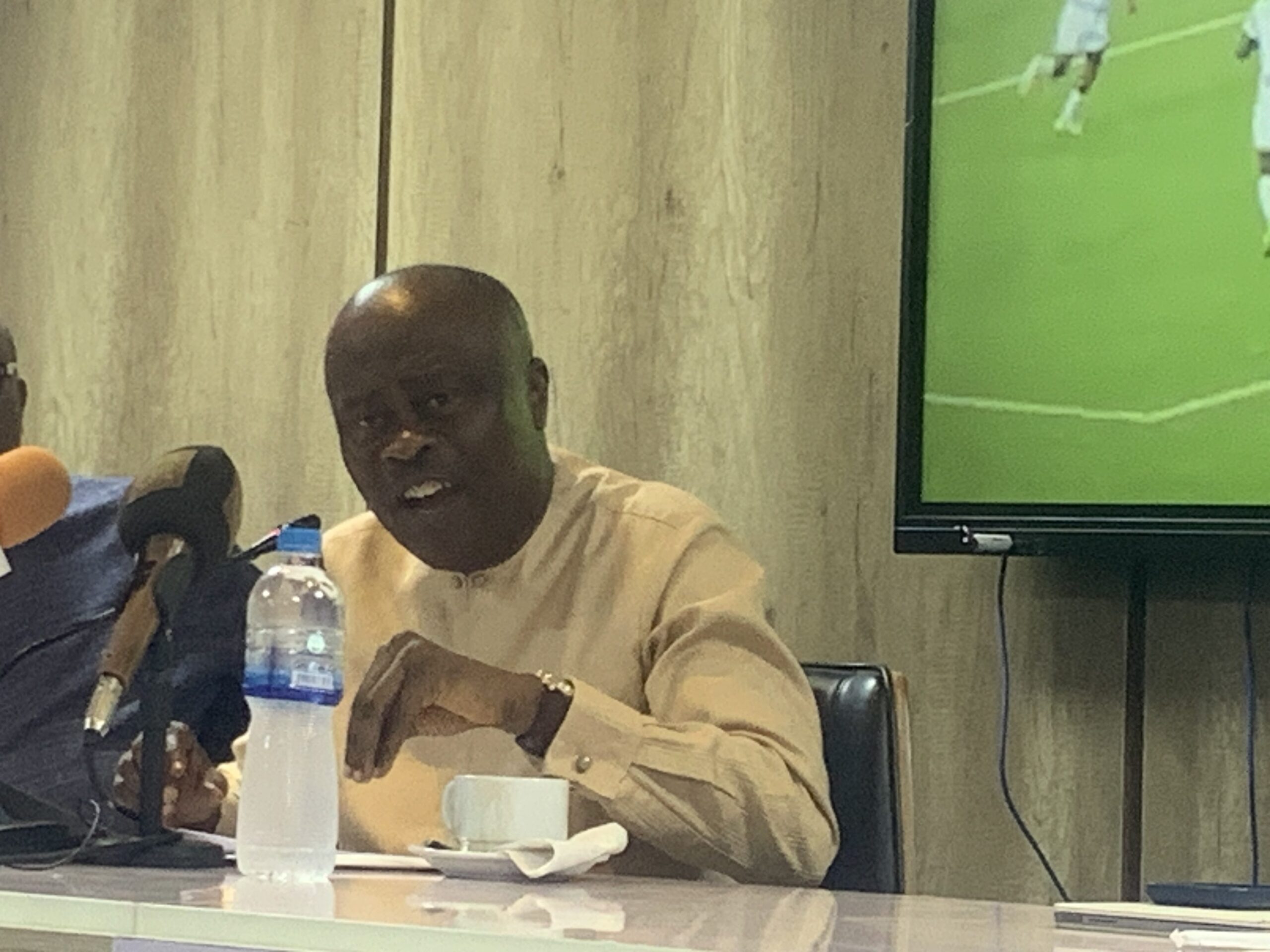
Kunle Soname is not a man given to grand speeches or public outbursts. Known more for decisive action than rhetoric, the Remo Stars proprietor has built a reputation as one of the biggest investors in Nigerian football. His contributions, spanning grassroots development to top-flight competition, have set standards many believe the rest of the country should emulate.
That is why his latest intervention has drawn attention. Just hours before the dawn of 2026, Soname took his concerns into the public domain, focusing on what he described as one of the most damaging problems confronting Nigerian football today: poor officiating in the Nigeria Professional Football League (NPFL).
For Soname, this was not a complaint born out of personal frustration or club rivalry. It was, as he made clear, the cry of a stakeholder worried about the credibility and future of the game.
“Let me be clear from the outset: I am not here today as the owner of a club, but as a stakeholder deeply invested in the credibility and future of our game. Nigerian football is bigger than all of us. Yet, because we love it, we must have the courage to speak when something is fundamentally wrong.”
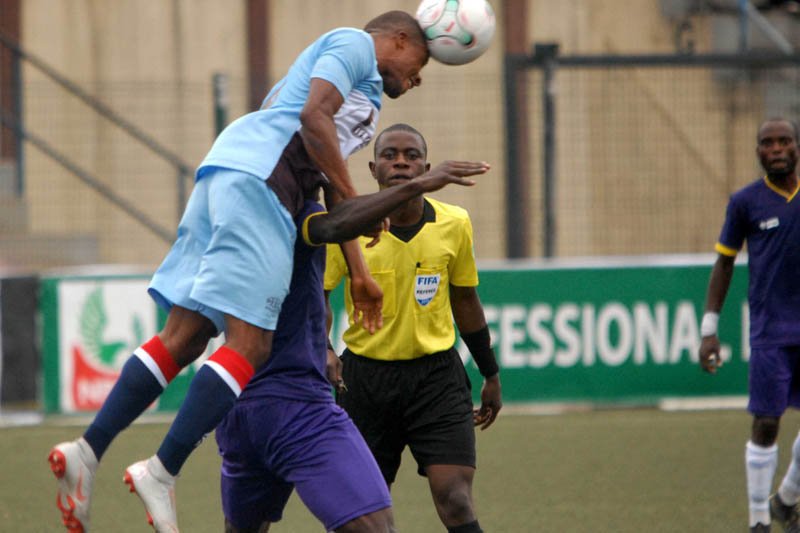
At the heart of his intervention lies a concern that many fans, players, and administrators quietly acknowledge but rarely confront directly: the declining standard of refereeing in Nigeria’s domestic league. According to Soname, officiating has reached an alarming level, undermining trust in match outcomes and damaging the league’s international reputation.
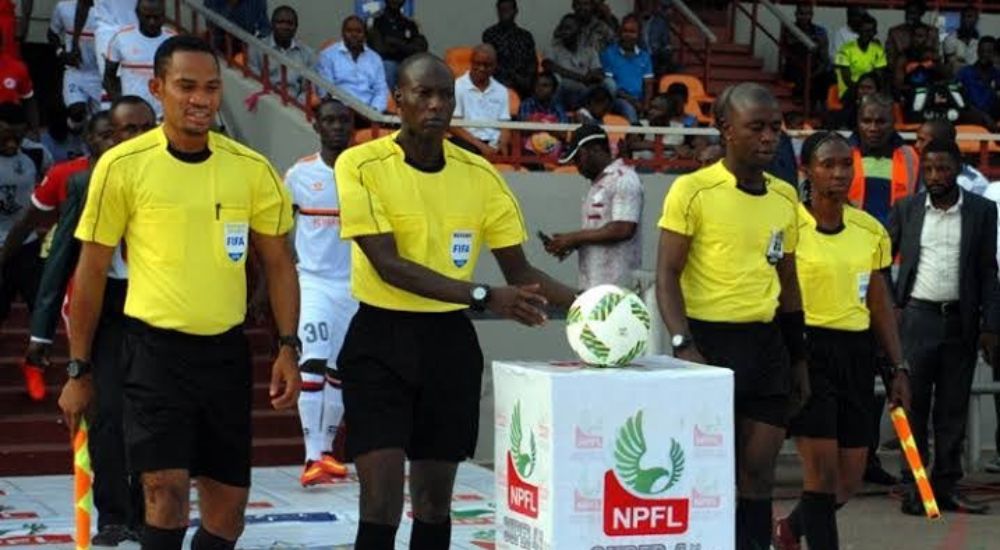
He pointed to a troubling statistic to underline his case. For 17 years, no Nigerian referee has been selected to officiate at the Africa Cup of Nations (AFCON), while referees from countries with smaller football profiles have consistently earned the honour.
“The uncomfortable reason is clear,” Soname stated. “The standard of officiating in our domestic league is fundamentally compromised. Decisions on the pitch too often appear fraudulent or grossly incompetent, systematically eroding the credibility required for international consideration.”
Unlike many critics who rely on emotion or anecdotal evidence, Soname came prepared. He revealed that he had compiled video footage from at least five recent, well-documented incidents that, in his view, demonstrate the depth of the crisis.
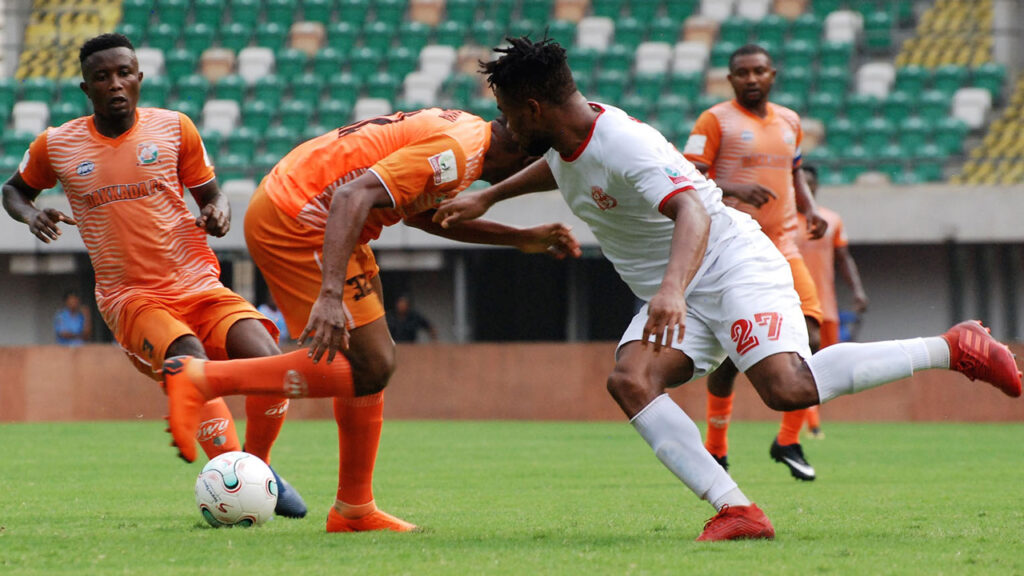
“This is not about isolated mistakes,” he stressed. “It is a pattern that threatens the very integrity of the Nigeria Premier Football League.”
His criticism extended beyond match officials to the structures meant to regulate them, particularly the Referees’ Appointment Committee. In his assessment, the committee has failed in its responsibility to protect the game.
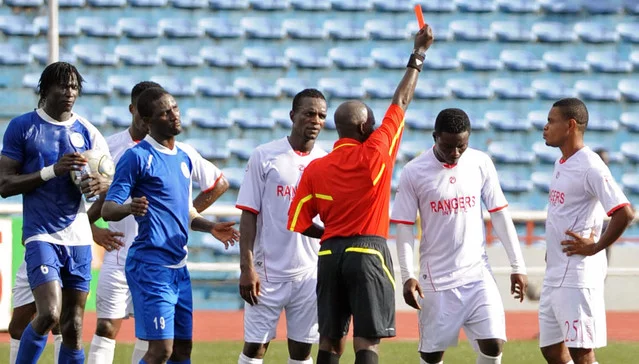
“It is my firm conclusion that the Referees’ Appointment Committee is not solving this problem; it is enabling it. By failing to hold officials accountable and providing implausible cover for clear errors, the committee is aiding and abetting the disease destroying our football’s integrity.”
Soname posed a series of uncomfortable but necessary questions: Are referees being properly trained and assessed? Are there real consequences for repeated poor performances? And, most importantly, is the integrity of the league truly being protected?
For him, the answers cut to the soul of the game.
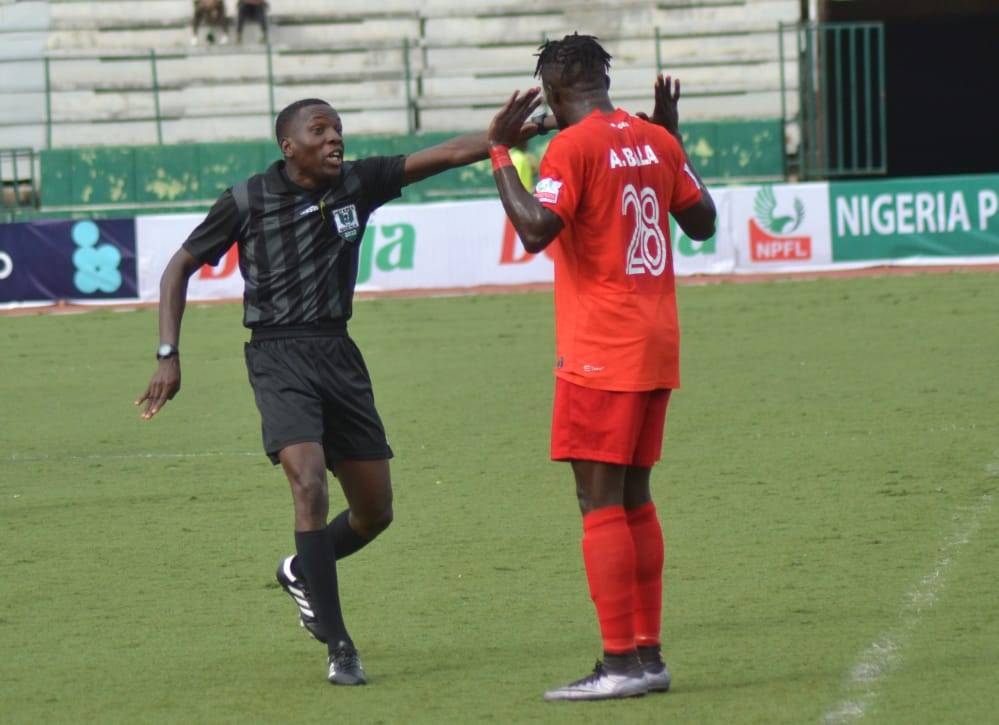
“Football thrives on fairness. Players train, clubs invest, and fans believe on the assumption that matches are decided by skill, not by error or bias.”
Looking ahead, he challenged the Nigeria Football Federation (NFF), NPFL management, and the Referees’ Committee to act decisively. He called for an urgent review of the incidents he presented, strict enforcement of accountability measures, and concrete steps to restore confidence in the league.
But beyond short-term fixes, Soname insisted that deeper reform is unavoidable.
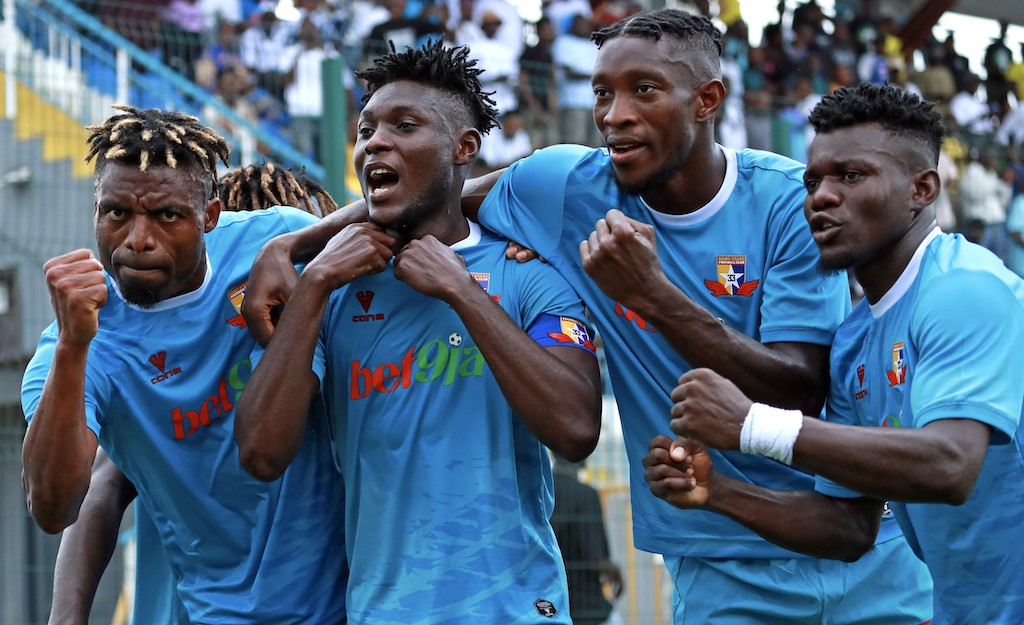
“There is an urgent and non-negotiable need for a total overhaul of the Referees’ Appointment Committee. We must rebuild a system of officiating based on integrity, competence, and transparency.”
His closing message was simple yet powerful: Nigerian football deserves better.
“Our players deserve fairness, our fans deserve honesty, and our league deserves integrity.”